
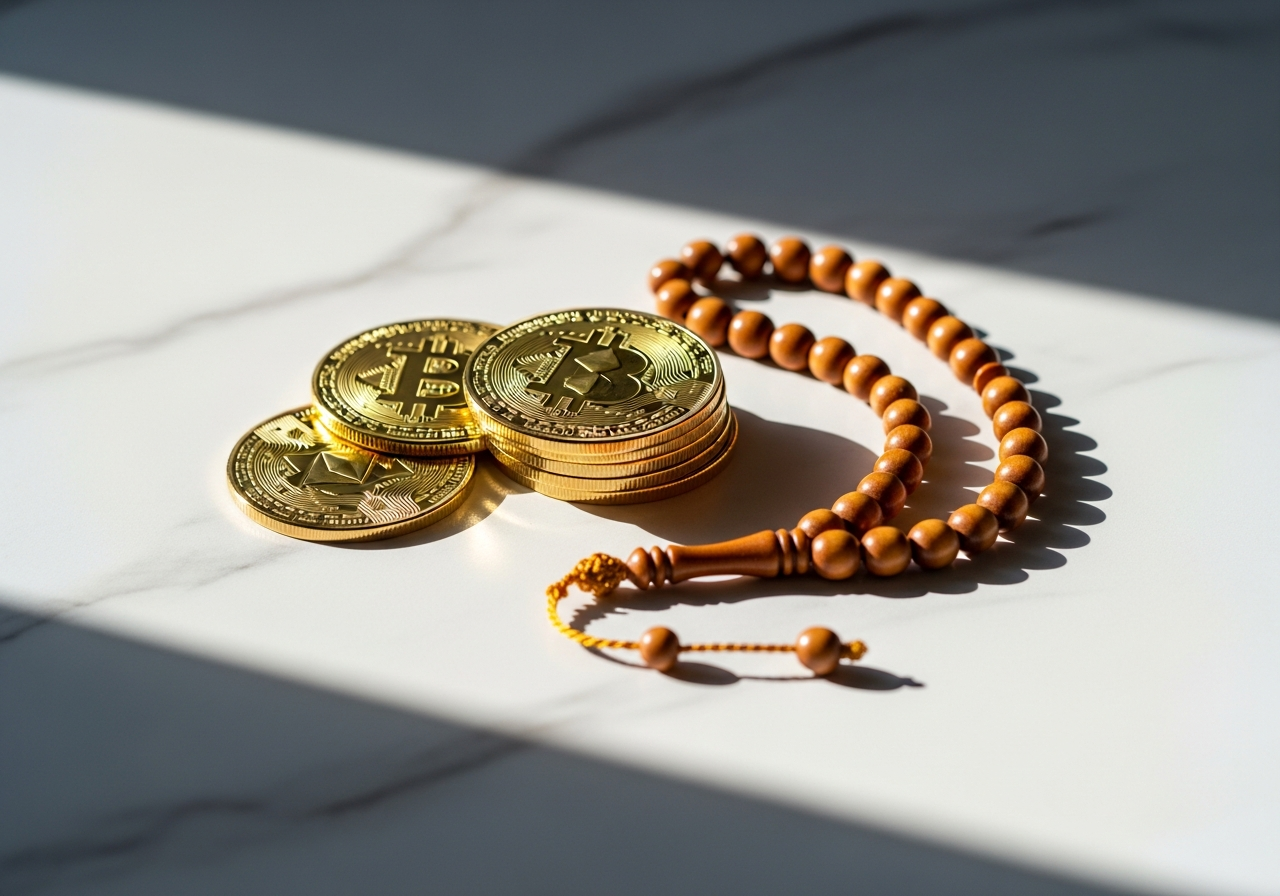
Dogecoin, the cryptocurrency that started as a meme featuring the beloved Shiba Inu dog, has captured global attention and investment interest. For Muslim investors and traders, a crucial question emerges: does investing in Dogecoin comply with Islamic financial principles? Understanding the halal status of cryptocurrencies like Dogecoin requires examining Islamic finance laws, known as Shariah, which govern permissible financial activities for observant Muslims.
Islamic finance prohibits certain elements including excessive uncertainty (gharar), interest-based transactions (riba), and gambling (maysir). As digital currencies continue to gain mainstream adoption, Islamic scholars and financial experts are actively debating where cryptocurrencies fit within these religious guidelines. The answer isn’t straightforward, as different scholars hold varying opinions based on their interpretation of Islamic law and the specific characteristics of each cryptocurrency.
Understanding Islamic Finance Principles and Cryptocurrency
Islamic finance operates on fundamental principles that distinguish it from conventional financial systems. These principles form the foundation for determining whether any investment, including Dogecoin, can be considered halal. The core tenets emphasize fairness, transparency, and the prohibition of exploitative practices that could harm individuals or society.
Core Shariah Principles in Finance
The prohibition of riba, or interest, stands as one of the most fundamental principles in Islamic finance. This extends beyond simple interest rates to include any predetermined increase over the principal amount in lending transactions. For cryptocurrency investments, scholars examine whether the appreciation in value constitutes riba or represents legitimate profit from a permissible business activity.
Gharar, meaning excessive uncertainty or ambiguity, presents another critical consideration. Islamic law requires that both parties in a transaction understand the terms, risks, and subject matter clearly. The volatile nature of cryptocurrencies and their complex technical foundations raise questions about whether investments in digital currencies involve prohibited levels of uncertainty.
Maysir and Speculation Concerns
The concept of maysir encompasses gambling and games of chance, which Islamic finance strictly prohibits. Scholars debate whether cryptocurrency trading, particularly in highly volatile assets like Dogecoin, resembles gambling more than legitimate investment. The speculative nature of many cryptocurrency investments and the influence of market sentiment over fundamental value create ongoing scholarly discussion.
Asset backing represents another crucial element in Islamic finance. Traditional Islamic investments require underlying real assets or productive activities. Cryptocurrencies challenge this principle as they exist purely in digital form without tangible backing, leading to diverse scholarly opinions on their permissibility.
Scholarly Opinions on Dogecoin’s Halal Status
Islamic scholars worldwide have expressed varying viewpoints on cryptocurrency investments, with no universal consensus emerging. These differences reflect the complexity of applying traditional Islamic principles to modern digital innovations. The scholarly community continues to study and debate these issues as cryptocurrency adoption grows.
Permissive Scholarly Positions
Some Islamic scholars argue that cryptocurrencies, including Dogecoin, can be considered halal under specific conditions. They view digital currencies as a new form of money that serves legitimate purposes in commerce and value transfer. These scholars emphasize that the technology itself is neutral and that the permissibility depends on how individuals use it.
Proponents often point to the decentralized nature of cryptocurrencies as aligned with Islamic principles of avoiding centralized control by interest-based banking systems. They argue that cryptocurrency appreciation represents legitimate profit from market forces rather than prohibited interest, particularly when investors hold digital assets for genuine investment purposes rather than short-term speculation.
Restrictive Scholarly Positions
Other prominent Islamic scholars express concerns about cryptocurrency investments, citing the excessive volatility and speculative nature of many digital assets. They argue that investments driven primarily by price speculation rather than underlying value creation may violate Islamic principles against maysir.
These scholars also raise concerns about the lack of intrinsic value in many cryptocurrencies, particularly those without clear utility or backing. They question whether purely speculative digital assets can satisfy Islamic requirements for legitimate wealth creation through productive economic activities.
Dogecoin’s Unique Characteristics and Islamic Considerations
Dogecoin presents specific characteristics that distinguish it from other cryptocurrencies when evaluating its Islamic permissibility. Originally created as a joke cryptocurrency, Dogecoin has evolved into a widely recognized digital asset with real-world applications. However, its origins and ongoing reputation as a “meme coin” raise particular questions for Islamic finance evaluation.
Technical and Utility Aspects
Unlike Bitcoin’s limited supply, Dogecoin has an inflationary monetary policy with no maximum supply cap. This means new coins continue to be created indefinitely, potentially affecting long-term value stability. From an Islamic perspective, this inflationary mechanism might be viewed either as preventing artificial scarcity or as creating uncertainty about future value.
Dogecoin’s low transaction fees and fast processing times have led to adoption for microtransactions and charitable donations. These practical applications support arguments that Dogecoin serves legitimate monetary functions beyond mere speculation. The cryptocurrency has facilitated various charitable initiatives and serves as a tipping mechanism on social media platforms.
Market Behavior and Speculation Factors
Dogecoin’s price movements often correlate strongly with social media trends and celebrity endorsements rather than fundamental technological developments. This characteristic raises concerns among scholars who view such price manipulation as potentially problematic under Islamic principles against excessive uncertainty and speculation.
The cryptocurrency’s association with meme culture and its frequent use in speculative trading activities may conflict with Islamic preferences for investments based on underlying value and productive economic activity. However, supporters argue that market sentiment affects all assets and doesn’t necessarily invalidate the legitimacy of the underlying currency.
| Islamic Principle | Dogecoin Consideration | Scholarly Debate |
|---|---|---|
| Riba (Interest) | Price appreciation vs predetermined interest | Generally accepted as market profit |
| Gharar (Uncertainty) | High volatility and meme-driven pricing | Significant scholarly concern |
| Maysir (Gambling) | Speculative trading behavior | Depends on investment intent |
| Asset Backing | Digital nature with network utility | Mixed opinions on legitimacy |
Practical Guidelines for Muslim Investors
Muslim investors considering Dogecoin face the challenge of making informed decisions amid ongoing scholarly debate. While no definitive consensus exists, several practical approaches can help align cryptocurrency investments with personal religious convictions and risk tolerance. The key lies in understanding both the religious considerations and practical implementation strategies.
Due Diligence and Research Requirements
Before investing in Dogecoin or any cryptocurrency, Muslim investors should conduct thorough research into both the technical aspects and Islamic implications. This includes understanding the technology, use cases, development team, and long-term sustainability of the project. Consulting with knowledgeable Islamic finance scholars familiar with cryptocurrency technology can provide valuable guidance.
Investors should examine their own intentions and motivations for the investment. Those primarily seeking quick profits through speculation may face greater religious concerns than investors who believe in the long-term utility and adoption of the cryptocurrency. The intention behind the investment often influences its Islamic permissibility according to many scholars.
Risk Management and Investment Approach
Islamic finance emphasizes prudent risk management and avoiding excessive speculation. Muslim investors considering Dogecoin should implement appropriate risk management strategies, including position sizing limits and diversification across multiple asset classes. Investing only amounts one can afford to lose entirely aligns with both prudent financial planning and Islamic principles.
Long-term investment approaches may be more compatible with Islamic principles than short-term trading strategies. Holding Dogecoin for its potential monetary utility rather than engaging in frequent speculative trading can help address concerns about maysir while supporting the legitimate development of digital currency infrastructure.
Alternative Islamic Investment Options
For Muslim investors seeking alternatives to direct Dogecoin investment, several options exist that may better align with Islamic finance principles. These alternatives can provide exposure to cryptocurrency and blockchain technology while addressing specific religious concerns about direct ownership of volatile digital assets.
Shariah-Compliant Cryptocurrency Funds
Some financial institutions now offer Islamic cryptocurrency investment products that undergo religious screening and oversight. These funds typically invest in a diversified portfolio of cryptocurrencies deemed permissible by Islamic scholars and employ investment strategies designed to minimize speculation and excessive risk-taking.
Shariah-compliant crypto funds often focus on cryptocurrencies with clear utility functions and established use cases rather than purely speculative assets. They may also implement profit-sharing structures and risk management protocols designed to align with Islamic finance principles while providing exposure to the growing cryptocurrency market.
Blockchain Technology Investments
Muslim investors can gain exposure to the cryptocurrency ecosystem through investments in companies developing blockchain technology and related infrastructure. This approach focuses on the productive economic activities surrounding cryptocurrency rather than direct ownership of volatile digital assets, potentially addressing concerns about speculation and asset backing.
Technology companies involved in cryptocurrency mining, wallet development, exchange operations, and blockchain consulting often provide more traditional investment opportunities with clearer business models and revenue streams. These investments may offer exposure to cryptocurrency growth while maintaining focus on productive economic activities.
Regional and Institutional Perspectives
Different Islamic financial institutions and regional authorities have developed varying approaches to cryptocurrency regulation and religious guidance. Understanding these diverse perspectives helps Muslim investors navigate the complex landscape of Islamic cryptocurrency investment and identify resources for making informed decisions.
Middle Eastern Regulatory Approaches
Several Middle Eastern countries have begun developing cryptocurrency regulations that attempt to balance innovation with Islamic finance principles. The United Arab Emirates has emerged as a leader in creating regulatory frameworks that accommodate both conventional and Islamic cryptocurrency activities, with dedicated zones for digital asset businesses.
Saudi Arabia and other Gulf Cooperation Council countries are actively studying cryptocurrency regulation while consulting Islamic scholars on religious implications. These efforts aim to create clear guidelines for Muslim investors while supporting financial innovation and economic diversification initiatives.
Islamic Banking Institution Positions
Major Islamic banks worldwide have adopted different approaches to cryptocurrency services, ranging from complete prohibition to cautious exploration of blockchain applications. Some institutions focus on developing blockchain solutions for traditional Islamic finance products rather than direct cryptocurrency trading or investment services.
The varying positions among established Islamic financial institutions reflect the ongoing evolution of scholarly opinion and the practical challenges of implementing new technology within traditional religious frameworks. These institutional approaches often influence individual investor decisions and provide important guidance for market development.
Future Outlook and Evolving Perspectives
The Islamic perspective on Dogecoin and other cryptocurrencies continues to evolve as scholars gain deeper understanding of the technology and its applications. This evolution reflects both the dynamic nature of cryptocurrency development and the ongoing process of applying Islamic principles to new financial innovations.
Emerging Scholarly Consensus Areas
While complete consensus remains elusive, certain areas of agreement are emerging among Islamic scholars studying cryptocurrency. Most acknowledge that the technology itself is neutral and that permissibility depends largely on implementation and use cases. There’s growing recognition that cryptocurrencies serving legitimate monetary functions may be more acceptable than purely speculative assets.
Scholars increasingly emphasize the importance of investor intention and investment approach in determining religious permissibility. Long-term investment in cryptocurrencies with clear utility and adoption potential receives more favorable consideration than short-term speculative trading activities driven by price movements rather than fundamental value.
Technological and Regulatory Developments
Ongoing developments in cryptocurrency technology and regulation may influence future Islamic scholarly opinions. Improvements in price stability, clearer regulatory frameworks, and expanded real-world use cases could address many current concerns about excessive uncertainty and speculation.
The development of Central Bank Digital Currencies (CBDCs) and stablecoins backed by real assets may provide Islamic alternatives to volatile cryptocurrencies like Dogecoin. These developments could satisfy Islamic requirements for asset backing while providing the benefits of digital currency technology.
As the cryptocurrency market matures and develops more sophisticated Islamic finance solutions, Muslim investors may find increasing options for participating in digital asset investments while maintaining religious compliance. The continued dialogue between Islamic scholars, technology experts, and financial professionals will likely yield more nuanced and practical guidance for future cryptocurrency investments.
Ultimately, the question of whether Dogecoin is halal remains a matter of individual interpretation and consultation with qualified Islamic scholars. Muslim investors should carefully consider their own circumstances, risk tolerance, and religious convictions while staying informed about evolving scholarly opinions and market developments. The intersection of Islamic finance and cryptocurrency represents a fascinating area of ongoing development that will likely continue evolving as both fields mature and adapt to changing global financial landscapes.